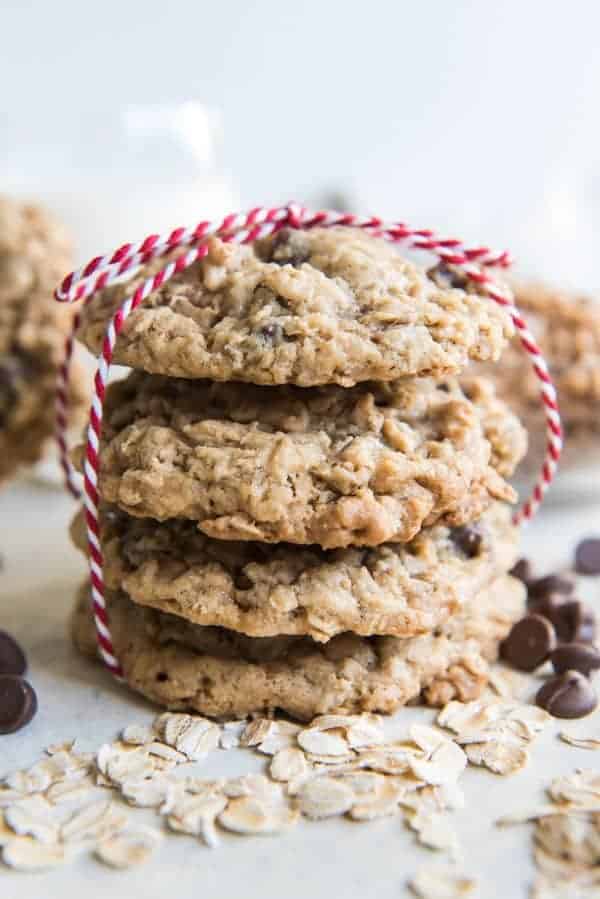
There are cookies, and then there are chewy toffee oatmeal chocolate chip cookies. These aren't just any cookies; they're a symphony of textures and flavors – the comforting chew of oats, the pockets of molten chocolate, and the delightful crunch and buttery sweetness of toffee. Forget the dry, crumbly imposters; we're talking about a cookie so rich and satisfying, it might just become your new baking obsession. If you've been on a quest for that perfect, yielding texture combined with an irresistible flavor profile, you've come to the right place. Get ready to transform simple ingredients into a batch of the best chewy toffee oatmeal chocolate chip cookies you've ever tasted.
The Anatomy of an Irresistibly Chewy Toffee Oatmeal Chocolate Chip Cookie
What makes a cookie truly chewy? It's a delicate balance of ingredients and technique. For our beloved toffee oatmeal chocolate chip cookies, chewiness isn't just a bonus; it's the star of the show. Achieving that delightful bend without being undercooked or dense requires understanding the science behind the bake.
Key Ingredients for Unbeatable Chewiness
- Brown Sugar vs. Granulated Sugar: Brown sugar, with its molasses content, is crucial for chewiness. It retains moisture better than granulated sugar, leading to a softer, chewier texture. A higher ratio of brown sugar to white sugar is often a secret weapon.
- Butter: Using softened, not melted, butter and creaming it properly with sugars incorporates air, which contributes to a tender crumb. The fat content also plays a significant role in richness and chew.
- Eggs: Eggs bind the ingredients and add moisture. Using an extra egg yolk (in addition to a whole egg) can amp up the richness and chewiness significantly, as the fat in the yolk inhibits gluten development, keeping the cookie tender.
- Oats: Old-fashioned rolled oats are preferred over quick oats. They provide a heartier texture and absorb moisture, contributing to that signature oatmeal cookie chew without turning mushy.
- Flour Ratio: A slightly higher ratio of flour might seem counter-intuitive for chewiness, but it provides the structure needed to prevent spread and maintain a thicker, chewier center. However, be careful not to overdo it, or your cookies will be tough.
Choosing Your Toffee and Chocolate
The "toffee" and "chocolate chip" in our toffee oatmeal chocolate chip cookies are more than just flavor; they add texture! For the toffee, Heath Bar bits or Skor bits are excellent choices. They hold their shape relatively well, offering satisfying pockets of buttery crunch and chew once baked. You can find them in the baking aisle. For chocolate chips, a blend of milk chocolate and semi-sweet provides a nice complexity and varying melting points, creating beautiful gooey pockets throughout the cookie. Don't be afraid to mix in some chopped chocolate bars for larger, more luxurious pools of chocolate.
Mastering the Mix: Step-by-Step for Optimal Texture
The journey to the best chewy toffee oatmeal chocolate chip cookies begins long before they hit the oven. Proper mixing techniques are paramount for developing the right texture and preventing tough or crumbly cookies.
Creaming Butter and Sugar Just Right
This is where the magic starts. Ensure your butter is softened to room temperature – it should indent easily when pressed but not be greasy or melted. Cream the softened butter with both brown and granulated sugars on medium speed until the mixture is light, fluffy, and pale, usually 2-3 minutes. This process incorporates air, which is essential for a tender cookie. If you're looking for even more insights into achieving the perfect texture, you might find some valuable tips in this article: Secret to Perfect Soft Toffee Oatmeal Chocolate Chip Cookies.
The Egg Factor: Room Temperature & Addition
Just like butter, eggs should be at room temperature. This allows them to emulsify better with the butter and sugar mixture, resulting in a more uniform dough. Add the eggs one at a time, beating well after each addition until fully incorporated. Scrape down the sides of the bowl to ensure everything is evenly mixed.
Incorporating Dry Ingredients (Don't Overmix!)
In a separate bowl, whisk together your flour, baking soda, salt, and any other dry spices (like a pinch of cinnamon or nutmeg for warmth). Gradually add the dry ingredients to the wet ingredients, mixing on low speed until *just* combined. The golden rule here is to avoid overmixing. Overmixing develops gluten, which leads to tough, less chewy cookies. As soon as you no longer see streaks of dry flour, stop mixing. Then, gently fold in your old-fashioned oats, toffee bits, and chocolate chips by hand.
The Secret Power of Chilling Dough
This step is non-negotiable for superior chewy toffee oatmeal chocolate chip cookies. Chilling the dough for at least 30 minutes, or even better, several hours (up to 24-48 hours), makes a huge difference. Chilling allows the flour to fully hydrate, the flavors to meld, and the fat to firm up. This prevents excessive spreading in the oven, leading to thicker, chewier cookies with more concentrated flavor. If you want to take your cookies to the next level, exploring advanced techniques for dough chilling and ingredient selection can truly transform your baking. Consider reading Toffee Oatmeal Chocolate Chip Cookies: The Ultimate Upgrade for more ideas.
Baking to Golden Perfection: Tips for That Ideal Chewy Center
You've mastered the mix; now it's time to master the bake. The oven is where your perfectly crafted dough transforms into those heavenly chewy toffee oatmeal chocolate chip cookies.
Oven Prep and Baking Sheet Secrets
Always preheat your oven fully to the recommended temperature (typically 350°F or 175°C). Use light-colored baking sheets lined with parchment paper or silicone baking mats. Darker sheets can cause the bottoms of cookies to brown too quickly, while parchment or silicone ensures even baking and prevents sticking.
Knowing When They're Done (Underbaking Slightly)
This is perhaps the most critical tip for achieving chewiness. You want to pull your toffee oatmeal chocolate chip cookies from the oven when they are just set around the edges but still look slightly underbaked and glossy in the center. The residual heat from the baking sheet will continue to cook them as they cool, leading to that perfect chewy texture. Overbaking is the quickest way to dry, crumbly cookies.
- Visual Cues: Edges are golden brown, centers are puffy but still soft.
- Timing: Typically 10-14 minutes, but trust your eyes more than the clock.
The Cooling Process is Crucial
Once out of the oven, let the cookies cool on the hot baking sheet for 5-10 minutes. This allows them to finish cooking gently and firm up enough to be transferred without breaking. After this initial cooling, carefully transfer them to a wire rack to cool completely. Cooling on a wire rack ensures air circulation, preventing soggy bottoms and allowing the cookies to fully set into their irresistible chewy state.
Elevate Your Toffee Oatmeal Chocolate Chip Cookies
While the basic recipe yields incredible results, there are always ways to fine-tune and personalize your batch of chewy toffee oatmeal chocolate chip cookies.
Flavor Boosters and Add-ins
- Sea Salt Flakes: A sprinkle of flaky sea salt on top of the warm cookies when they come out of the oven enhances all the flavors, cutting through the sweetness and adding a sophisticated touch.
- Espresso Powder: A teaspoon of instant espresso powder or coffee granules stirred into the dry ingredients won't make your cookies taste like coffee, but it will deepen and enhance the chocolate flavor.
- Nuts: Toasted pecans or walnuts can add another layer of crunch and nutty flavor, complementing the oats and toffee beautifully.
- Spice it Up: A touch of cinnamon, nutmeg, or even a tiny pinch of cardamom can add warmth and complexity to the oatmeal base.
Storage for Lasting Freshness
To keep your chewy toffee oatmeal chocolate chip cookies fresh and delicious, store them in an airtight container at room temperature for up to 3-5 days. If you want to freeze them, either freeze the dough balls (up to 3 months) and bake from frozen (adding a couple of minutes to the baking time) or freeze the baked cookies in an airtight container for up to 2 months. Thaw at room temperature or warm briefly in the microwave for a fresh-baked feel.
Troubleshooting Common Cookie Woes
- Cookies are Spreading Too Much: Your butter might be too warm, or your oven isn't hot enough. Make sure to chill your dough!
- Cookies are Too Cakey: You might be using too much flour, or your butter/sugar wasn't creamed enough.
- Cookies are Too Crumbly/Dry: Likely overbaked. Remember to pull them when they look slightly underdone.
- Toffee is Burning: Ensure the toffee bits are mixed throughout the dough and not clumped on the surface. Lowering the oven temperature slightly might also help.
Baking the best chewy toffee oatmeal chocolate chip cookies is a delightful journey of flavor, texture, and technique. By paying attention to the details – from the right ingredients and proper mixing to the crucial chilling and perfectly timed bake – you can achieve a cookie that is truly extraordinary. Each bite offers a harmonious blend of chewy oats, gooey chocolate, and buttery toffee, making them an instant favorite. So go ahead, preheat your oven, gather your ingredients, and prepare to bake a batch of pure cookie bliss. Your taste buds will thank you!
